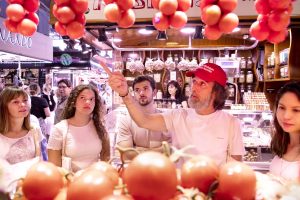
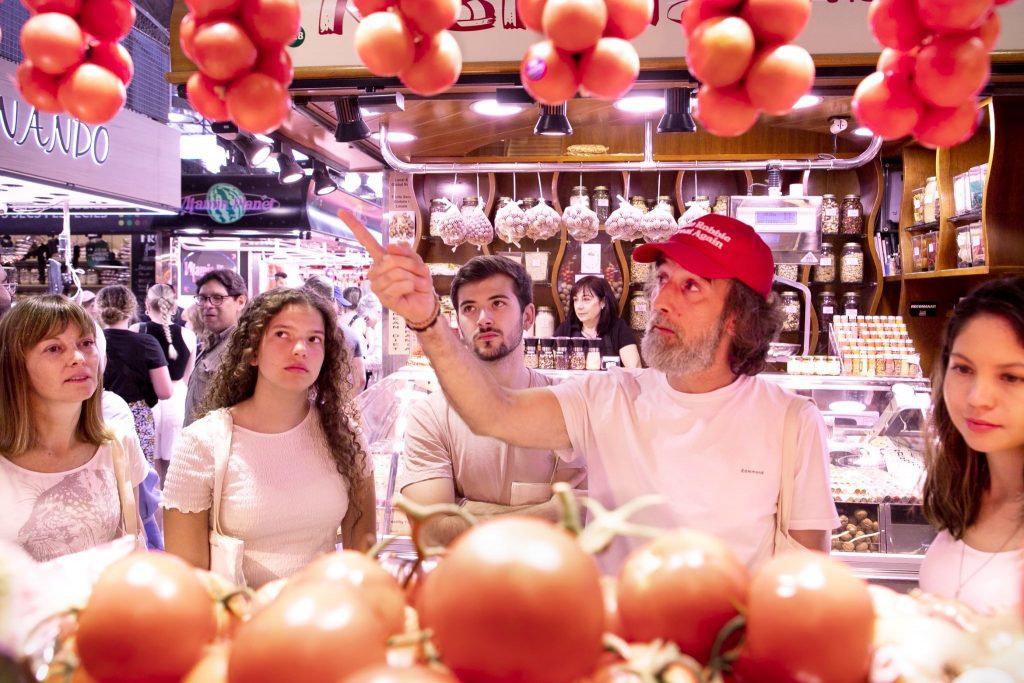
La Boqueria has been feeding Barcelona since the 13th century. For us at Barcelona Cooking, it is where every class begins. Our chefs and students walk through the market each morning to pick what we cook that day, which means the menu reflects what looks good right now.
If you live in Barcelona or spend serious time here, this guide shares how we navigate it, what we look for, and why seasonality shapes everything we teach.
How to shop at La Boqueria
Seasonality: We shop first and cook what we find. If eight stalls are selling the same thing, that is your ingredient.
The 10-meter rule: Enter from the bottom,the back half is where the serious vendors are.
Farmers market outside: Don’t skip the stalls outside the main hall. Local farmers sell directly here in smaller quantities, shorter distances, and often the best vegetables of the day.
Best jamón to take home: Joselito. It travels well vacuum-packed
What to buy: Turrón, local vegetables, and seafood. The fish counter is one part of the market where locals still shop alongside tourists, and the prices reflect that. You are not paying a premium for the experience. You are paying for the fish.
What’s in season and what we cook with it
| Season | Ingredient | Dish at Barcelona Cooking |
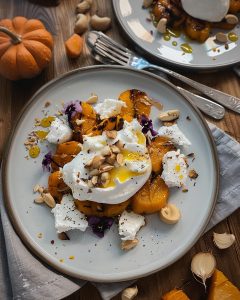
| Autumn | Sweet Potato | Roasted Boniato with burrata and spicy honey |
| Spring | Cuttlefish | Mar y montaña |
| Spring | Strawberries | Strawberry Gazpacho with mint and brie |
| Summer | Tomatoes | Gazpacho Andaluz |
| Winter | Squash | Butternut squash and pear cream soup |
| Summer | Watermelon | Watermelon Gazpacho |
| Autumn | Mushrooms | Mushroom soup |
| Spring | Calçots | Calçots with romesco sauce |
Why we shop there every morning
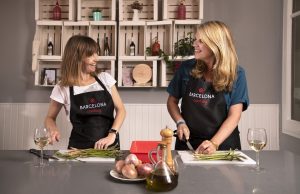
Barcelona Cooking is a just short walk from the market. Every morning before class, or joined by the class, our chefs go to La Boqueria to buy what we need for that day. What you cook in our classes is whatever was best at the market that morning.
Cooking this way also changes how you cook at home. Once you know how to read a market — what to look for, how to adjust a dish based on what is available — the recipes start to follow naturally. La Boqueria is the perfect place to learn that.
F.A.Q.’s
When is the best time to visit La Boqueria Market?
We recommend arriving around 10AM. This is when the market is fully set up, the produce is at its freshest, and you can avoid the large midday crowds.
Can I take a cooking Class that includes a market tour?
Yes. At Barcelona Cooking, our daily classes begin with a guided tour of the market to choose the day’s ingredients. You shop with a chef, then cook and eat what you found.
What should I buy?
Look for seasonal items like Maresme peas in spring, wild mushrooms in autumn, or authentic Arbequina olive oil and saffron to take back home. Jamón (ham) is available year-round! (Some items can be purchased at Barcelona Cooking.)
How much should I budget for shopping at La Boqueria?
Fruit, vegetables and pantry staples are reasonably priced once you move past the entrance stalls. Fish and quality jamón cost more. Going with a rough idea of what you want and adjusting based on what looks good that day is the most sensible approach.
Do I need to speak Catalan or Spanish to shop at La Boqueria?
No. Most vendors are used to working across languages and pointing at what you want is normal. A few basic words help though, and in our market tours we cover what to ask to find out where something was grown or caught.
Is La Boqueria suitable for people with dietary restrictions?
Yes. The market has a strong range of fresh vegetables, fish and seafood. Our classes at Barcelona Cooking can be adapted for all dietary requirements.
What is the difference between La Boqueria and other Barcelona markets?
Many locals use their neighbourhood market for everyday shopping — Santa Caterina in El Born and L’Abaceria in Gràcia are both worth knowing. La Boqueria’s strength is the concentration of specialist vendors in one place.
Book a class at Barcelona Cooking and start your morning the way our chefs do.