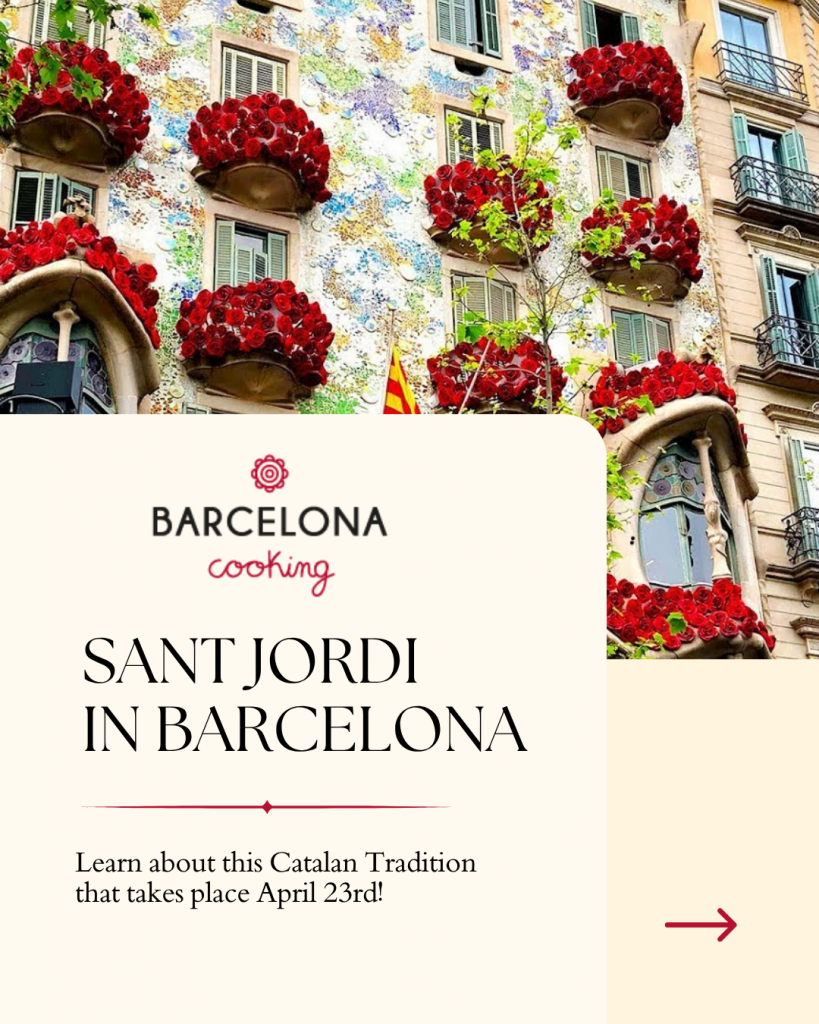
Every year on April 23, Barcelona transforms into a city of books and roses. Book stalls crowd La Rambla, Passeig de Gràcia, and the Gothic Quarter. Red roses appear in tens of thousands of hands. This is Sant Jordi, the Catalan feast day of their patron saint, and it is one of the most visible public expressions of literary culture in Europe. Sant Jordi is where Catalan literary culture surfaces, visibly and collectively, for a single day each year.
What Sant Jordi Actually Is
The custom of giving books on Sant Jordi began in the early twentieth century and grew steadily. The rose tradition is much older, rooted in the legend of Saint George slaying the dragon, with a red rose growing from the dragon’s blood. By the mid-twentieth century, the combination of books and roses had become established. Women received roses and men received books. That convention has now dissolved, and people give and receive both freely.
Where to be in the city
The main concentration of stalls runs along La Rambla (where you will find Barcelona Cooking) from Plaça de Catalunya down to the port — around 300 stalls from booksellers, publishers, and cultural associations. Passeig de Gràcia draws the larger publishers and often hosts author signings from Catalan and Spanish writers. For independent booksellers and smaller presses, the Barri Gòtic is the better bet: streets like Carrer de la Palla and around the Plaça de Sant Jaume fill with stalls that carry more unusual titles.
The Palau de la Generalitat — Catalonia’s seat of government, on Plaça de Sant Jaume — opens its courtyard to the public for Sant Jordi. It is one of the few days of the year when you can walk inside, and the Gothic courtyard is worth the queue. The Institut d’Estudis Catalans, a few streets north on Carrer del Carme, also typically holds a public reading program through the afternoon.
Pass it On
The appetite for culture we see throughout the streets of the city also leads us to the kitchen. Cataluña’s literary tradition and its culinary one have something in common: both demonstrate the desire to pass things on. In fact, the oldest cookbook written in a Romance language, the Llibre de Sent Soví, is Catalan. At Barcelona Cooking, we share our recipes the same way Catalonia has always shared its culture: openly, and with anyone who wants to learn. The dishes we teach have been made in this city for centuries.
The Catalan Kitchen
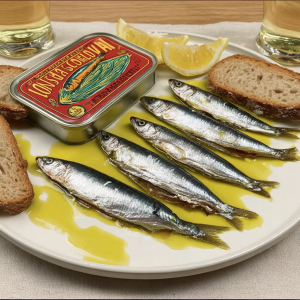
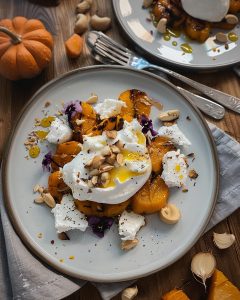
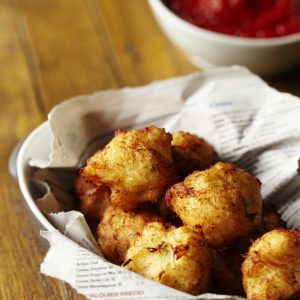
Catalan gastronomy and Catalan literature share a similar commitment to preservation. The Catalan kitchen is one of the best-documented medieval culinary traditions in Europe. At Barcelona Cooking on 58 La Rambla, we work with tradition. When you learn to make our dishes, you are learning to read a sentence that has been written for centuries.